Data Analyst vs Data Scientist: Difference & Which to Choose
The real difference between a data analyst and a data scientist - roles, skills, salary, and which one to choose in 2026.
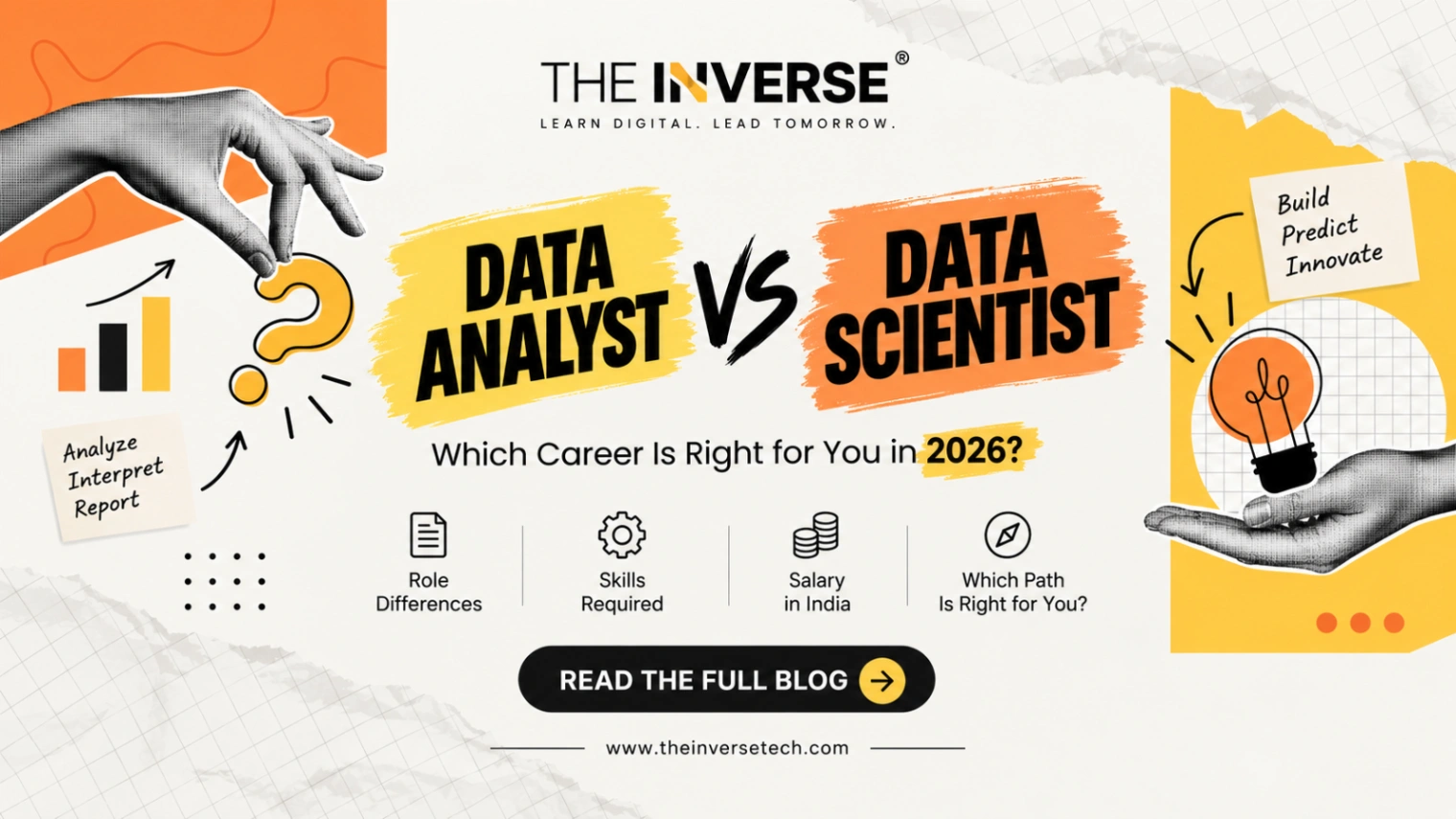
"Data analyst" and "data scientist" sound similar, pay differently, and get confused constantly - which makes it hard to know which one to aim for. This guide breaks down the real difference in 2026: what each role does, the skills and salary gap, and how to decide which path fits you, especially if you're just starting out.
The short answer
A data analyst explains what happened and why, using SQL, spreadsheets, and dashboards. A data scientist goes further - predicting what will happen next and building machine-learning models to do it. Analyst is the more accessible entry point; data scientist is the more advanced, higher-paid role you can grow into.
Data analyst vs data scientist: side by side
Data AnalystData ScientistCore questionWhat happened, and why?What will happen, and what should we do?Main toolsSQL, Excel, Power BI / Tableau, some PythonPython, SQL, machine learning, statisticsKey skillsData cleaning, dashboards, reportingPredictive modelling, ML, experimentationMaths depthDescriptive statisticsStatistics, probability, ML algorithmsEntry barrierLower - good first roleHigher - usually needs ML skillsTypical fresher salary (India)₹3.5–7 LPA₹6–12 LPA
What a data analyst does day to day
Analysts turn raw data into decisions. A typical day involves pulling data with SQL, cleaning it, building a dashboard in Power BI or Tableau, and answering questions like "why did sales drop in the south region last month?" It's a role built on SQL, data visualisation, and business understanding - and it's one of the best ways to break into the data field because you can become job-ready faster.
What a data scientist does day to day
Data scientists build on everything an analyst does, then add prediction. They design experiments, build and evaluate machine-learning models, and work with larger, messier datasets. Where an analyst reports that churn went up, a data scientist builds a model that predicts which customers will churn next month - so the business can act before it happens.
Which one should you choose?
Use this simple test:
Choose data analyst if you want to enter the field quickly, enjoy finding stories in data, and prefer dashboards and reporting over heavy maths. It's the fastest route to your first data job.
Choose data scientist if you enjoy maths and programming, want to build predictive models, and are willing to invest more months up front for a higher ceiling.
There's also a third truth most guides skip: these are not either/or. A very common and smart career path is to start as a data analyst, get hired, and grow into a data scientist role over 1–2 years while you deepen your machine-learning skills on the job.
The skills that overlap (learn these first)
Whichever role you target, these are the shared foundation - so you don't have to decide on day one:
SQL : used every day in both roles.
Python : especially Pandas for working with data.
Statistics : descriptive stats for analysts, deeper stats for scientists.
Data visualisation : turning numbers into something a business can act on.
Master these, and you can move towards either role - or start as an analyst and climb.
How The Inverse can help
Our Advanced Data Science with AI program covers the full stack - Python, SQL, statistics, dashboards, and machine learning - so you can start as an analyst and grow into data science without switching courses. Every track is mentor-led with real projects and placement support. See all programs or talk to a Program Advisor to figure out the right starting point for your background.
Frequently asked questions
Is data analyst easier than data scientist?
Generally yes - the entry barrier is lower because it needs less machine learning and maths. That's exactly why it's a great first role in the data field.
Can a data analyst become a data scientist?
Absolutely, and it's one of the most common paths. Once you're comfortable with SQL, Python, and statistics, adding machine-learning skills lets you move up into a data scientist role.
Which pays more, data analyst or data scientist?
Data scientists typically earn more because the role requires more advanced skills. But experienced analysts and analytics leads in India also earn very competitive salaries.
Do I need a degree for either role?
Not necessarily. A strong portfolio of real projects plus the core skills (SQL, Python, statistics) matters more to most employers than a specific degree.
Not sure which path fits you? Talk to a Program Advisor at The Inverse - we'll help you pick based on your background and goals.
Ready to make your next move?
Explore our mentor-led, industry-ready programs and turn what you just read into a career.
More from the Journal

How To Build a Career in Full Stack Development
If you want to build a career in software development, learning Full Stack Web Development can be a strong starting point.
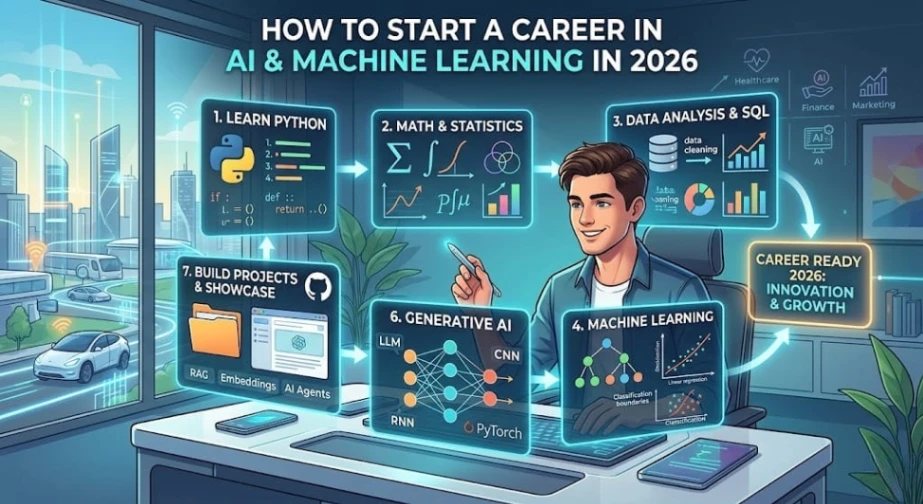
How to Start a Career in AI and Machine Learning in 2026
Learn how to start a career in AI and Machine Learning in 2026 with a beginner-friendly roadmap covering Python, mathematics, SQL, data analysis, machine learning, deep learning, Generative AI, essential skills, courses, and practical projects.